Ecosystem Role and Intra-SpecifiC perfOrmance in Parablennius (ERISCOP)
Abstract
The ERISCOP project is a proof-of-concept study designed to establish a new research program on cryptobenthic fishes in the Mediterranean Sea. Blennies (Blenniidae) play a crucial role in reef ecosystems by transferring energy and matter from small prey to larger consumers. However, the habitats supporting blennies are under unprecedented stress due to intensifying anthropogenic pressures. Data and knowledge on cryptobenthic fishes in the Mediterranean Sea are scarce, and this project aims to fill that gap.
Develop new tools
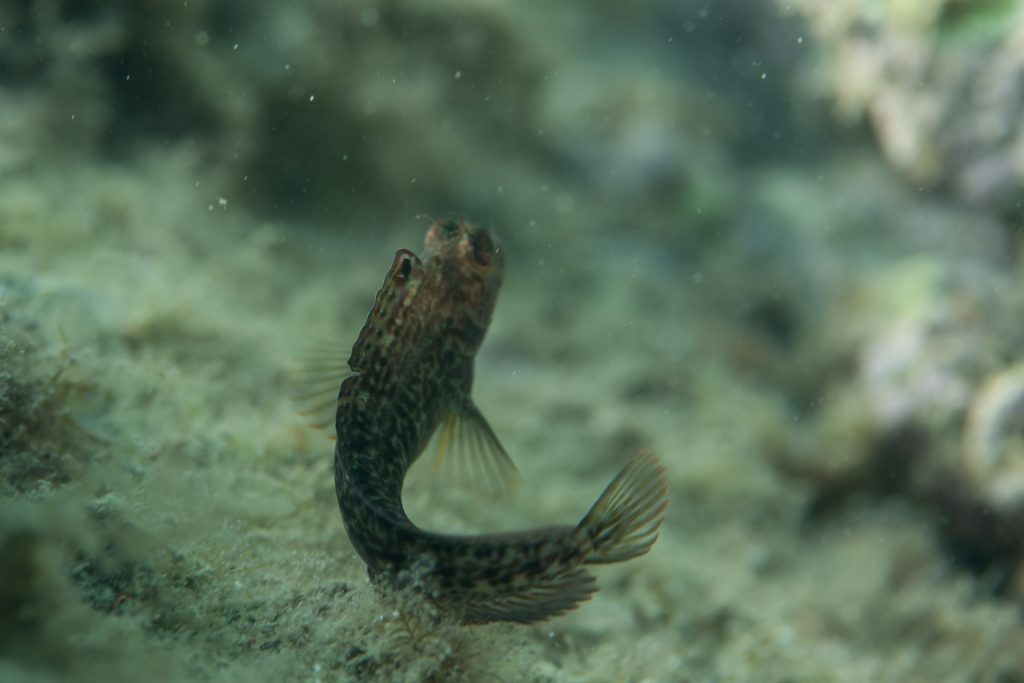
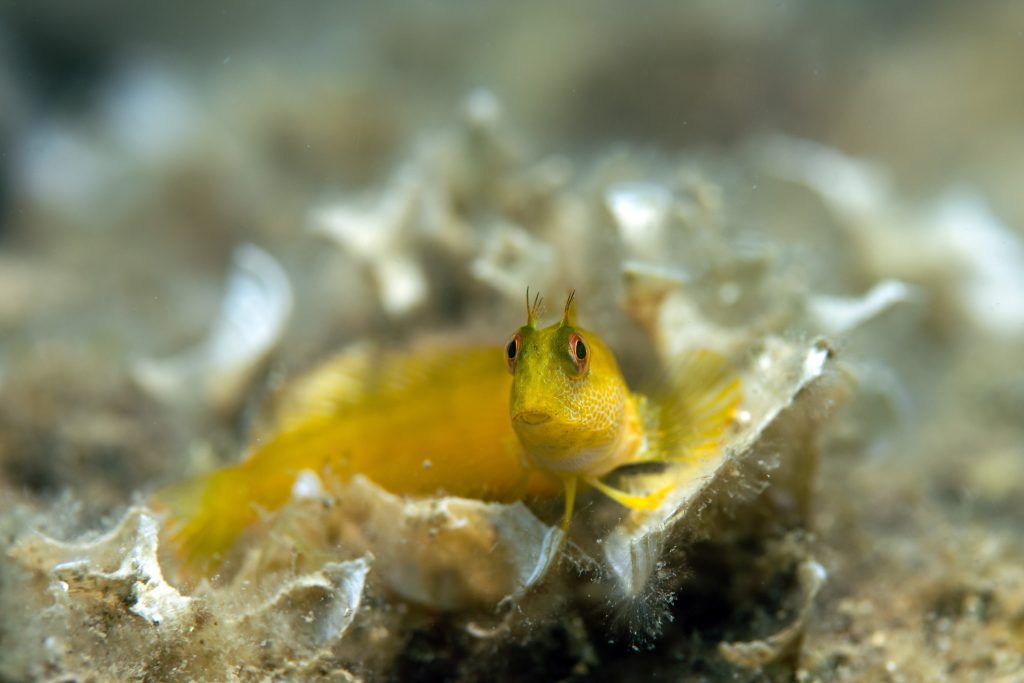
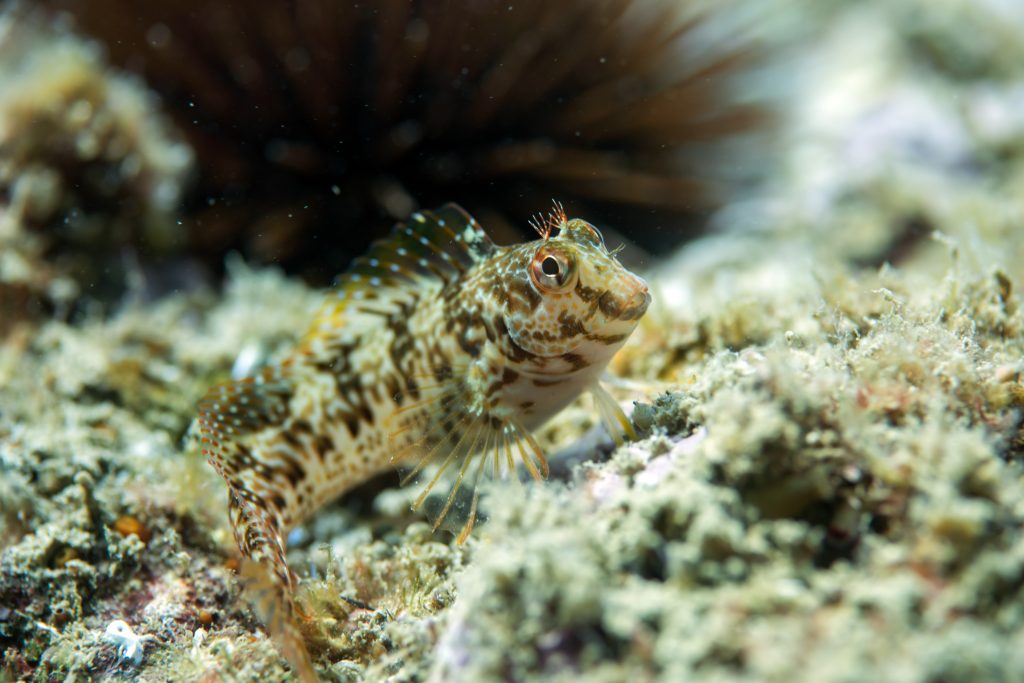
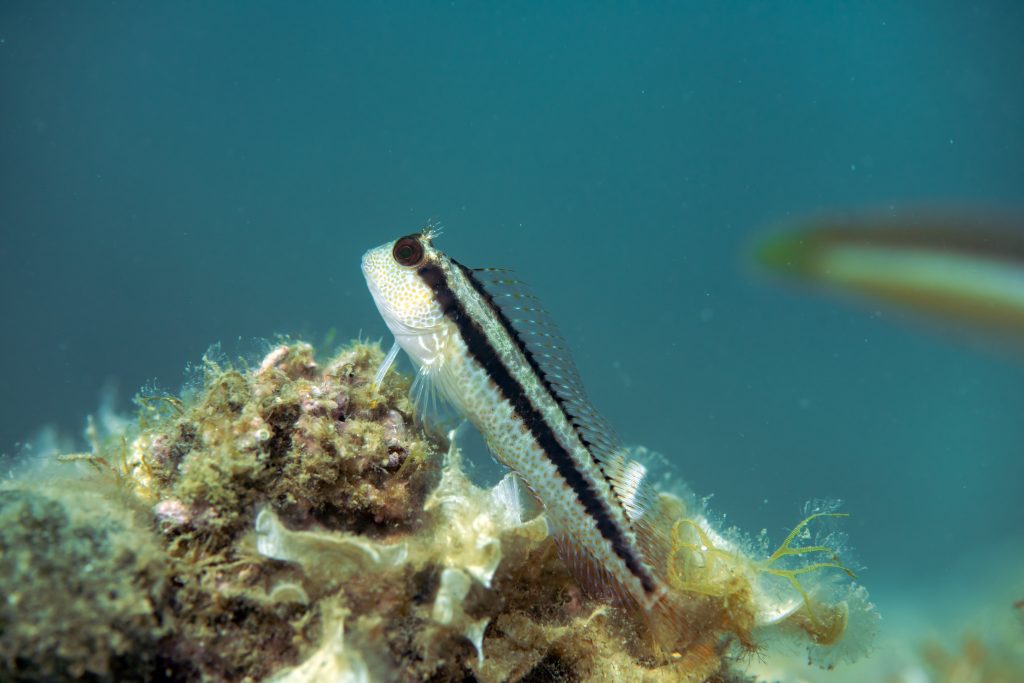
The stability and functioning of ecological systems are fundamental concepts in ecology and depend, in particular, on the transfer of energy and matter within these systems. Certain species play a key role in these transfers within food webs by acting as both predators and prey. Developing new tools to assess the metabolism and physiology of these species is crucial for anticipating current and future environmental changes. In this context, we have selected a Mediterranean cryptobenthic species, the ringneck blenny (Parablennius pilicornis), as our model species. The aim of this project is to initiate the development of an untargeted metabolomics method for white muscle tissue to identify metabolic signatures associated with biological factors such as age, gender, body size, and/or phenotype.
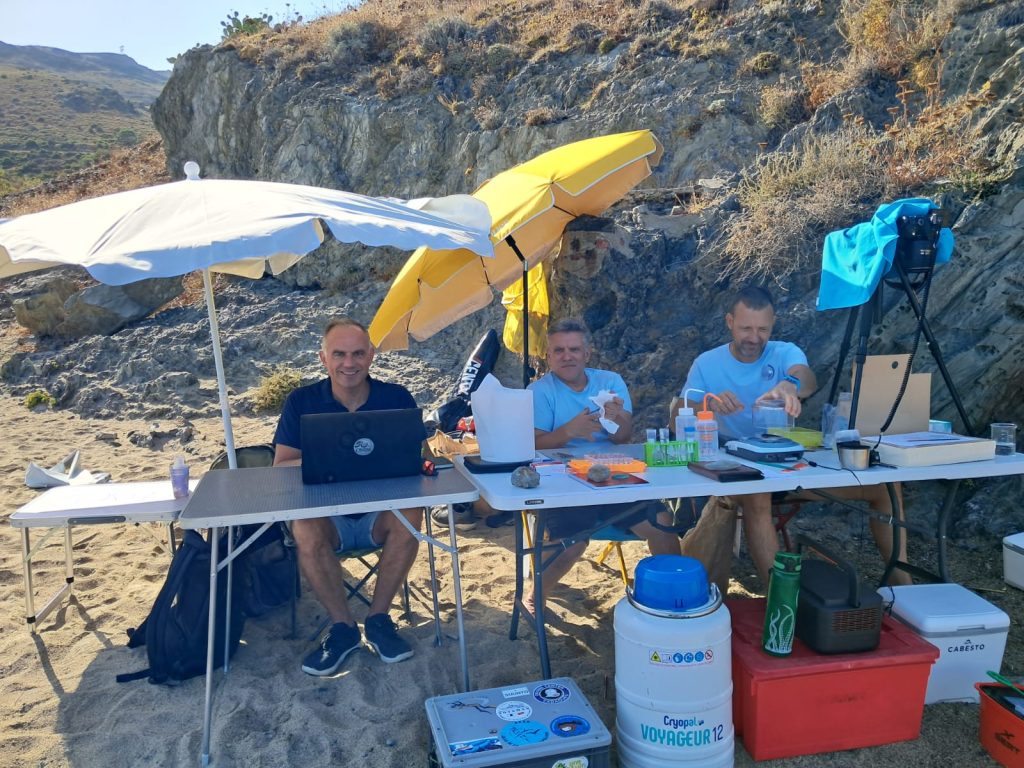
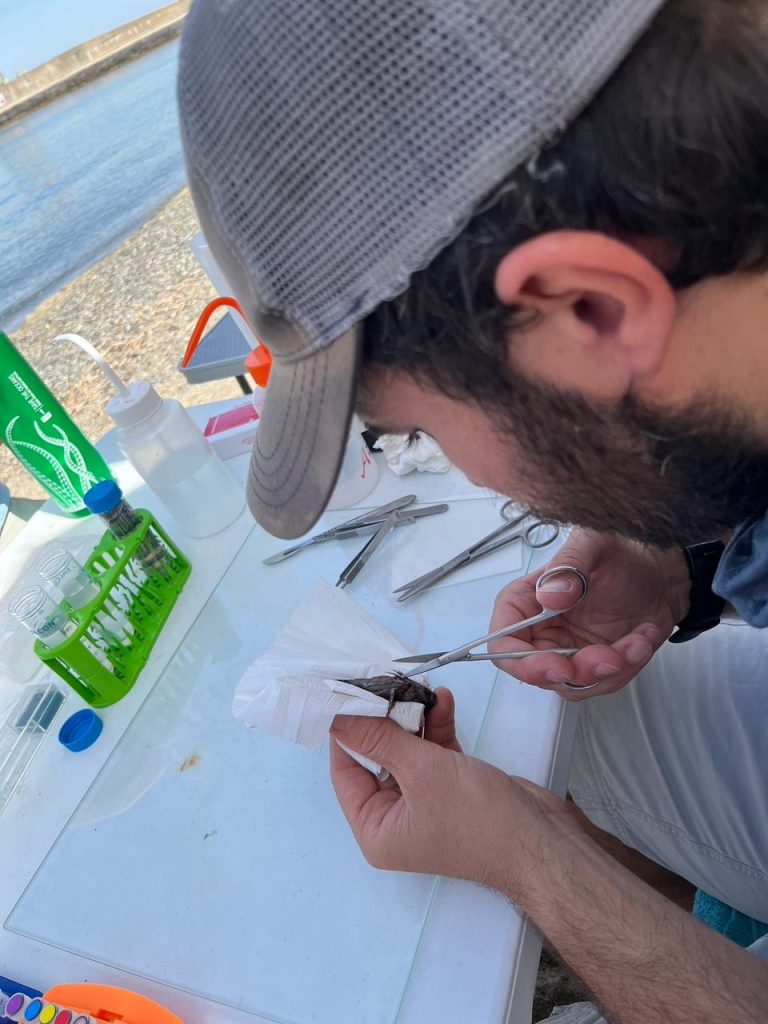
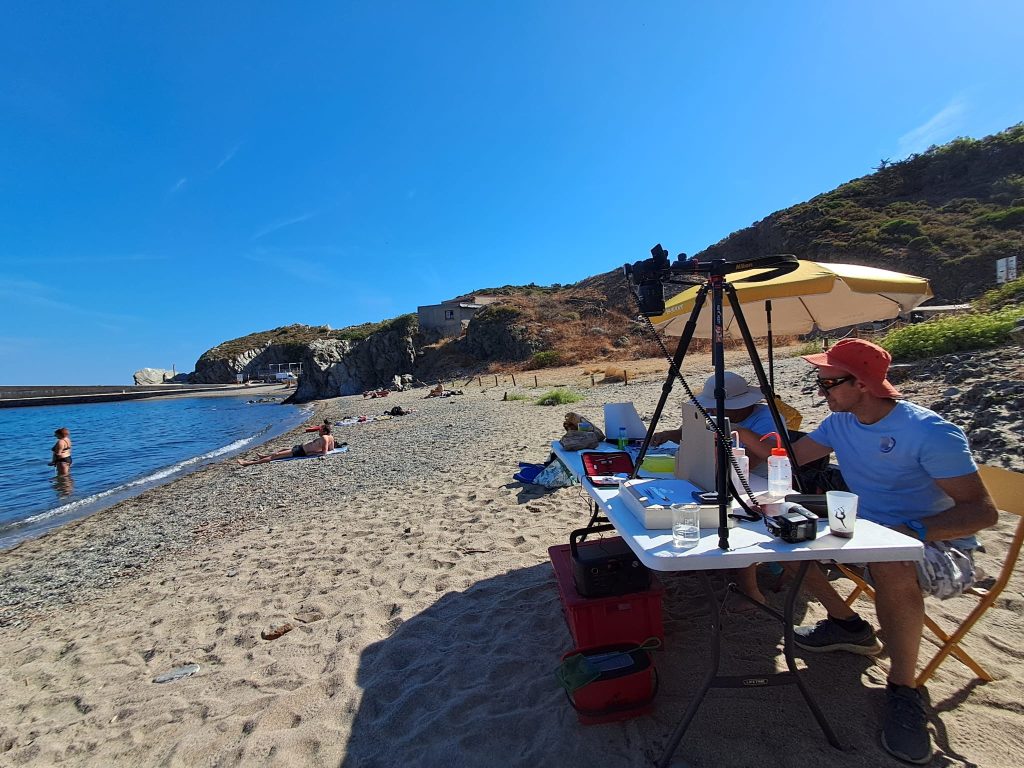
Sampling was carried out in September 2026 with the help of colleagues from CRIOBE, resulting in the collection of 56 fish. We will test the possibility to estimate several morphological, reproductive, and functional traits essential to determine ecological performance on the ringneck blenny.
For example, using the otolithometric approach, size-at-age will be back-calculated from otolith readings to estimate individual growth rates. Food acquisition begins with prey detection, which will be estimated by using a proxy for visual acuity. Swimming capability will be estimated. Because swimming performance is influenced by body size and shape through kinematic and hydrodynamic constraints, we will analyze the body shape by using a landmark-based geometric morphometric approach. In whole organism, screening of metabolites is enabled to characterize fish physiology.
1: PSL Université Paris: EPHE-UPVD-CNRS, USR 3278 CRIOBE, Université de Perpignan, Perpignan, France
2: Centre de Formation et de Recherche sur les Environnements Méditerranéens, UMR 5110, Université de Perpignan Via Domitia, 52 Avenue Paul Alduy, F-66860 Perpignan, France
Principal Investigator(s):Mathieu Reynaud
Related publications
error: Content is protected !!
Nous utilisons des cookies pour vous garantir la meilleure expérience sur notre site web. Si vous continuez à utiliser ce site, nous supposerons que vous en êtes satisfait.